Best Time to Go on Safari in South Africa
Last reviewed 13 September 2026. South Africa has two opposed rainfall regimes; any single "best month" answer for the whole country is misleading.
When is the best time to go on safari in South Africa?
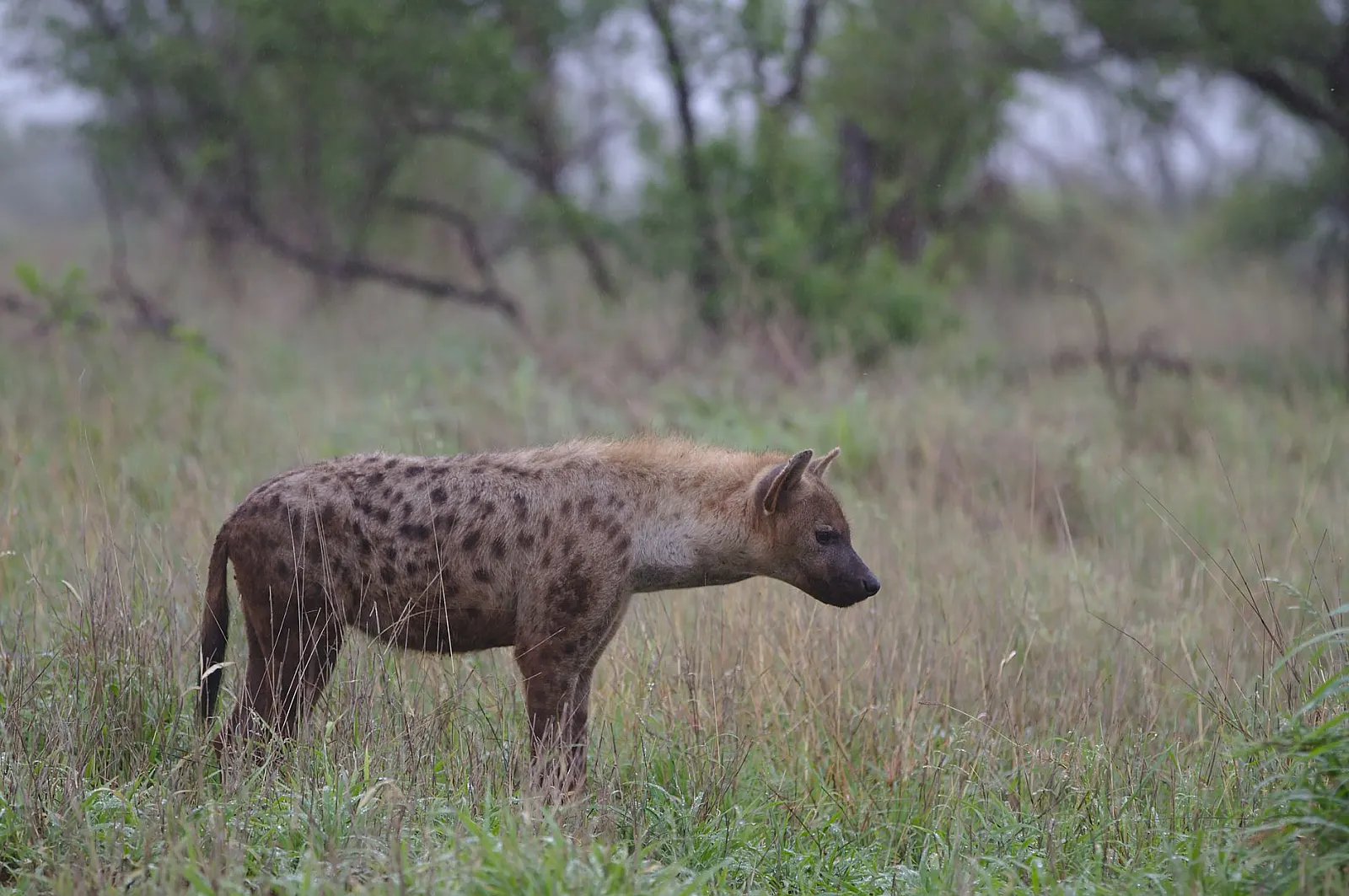
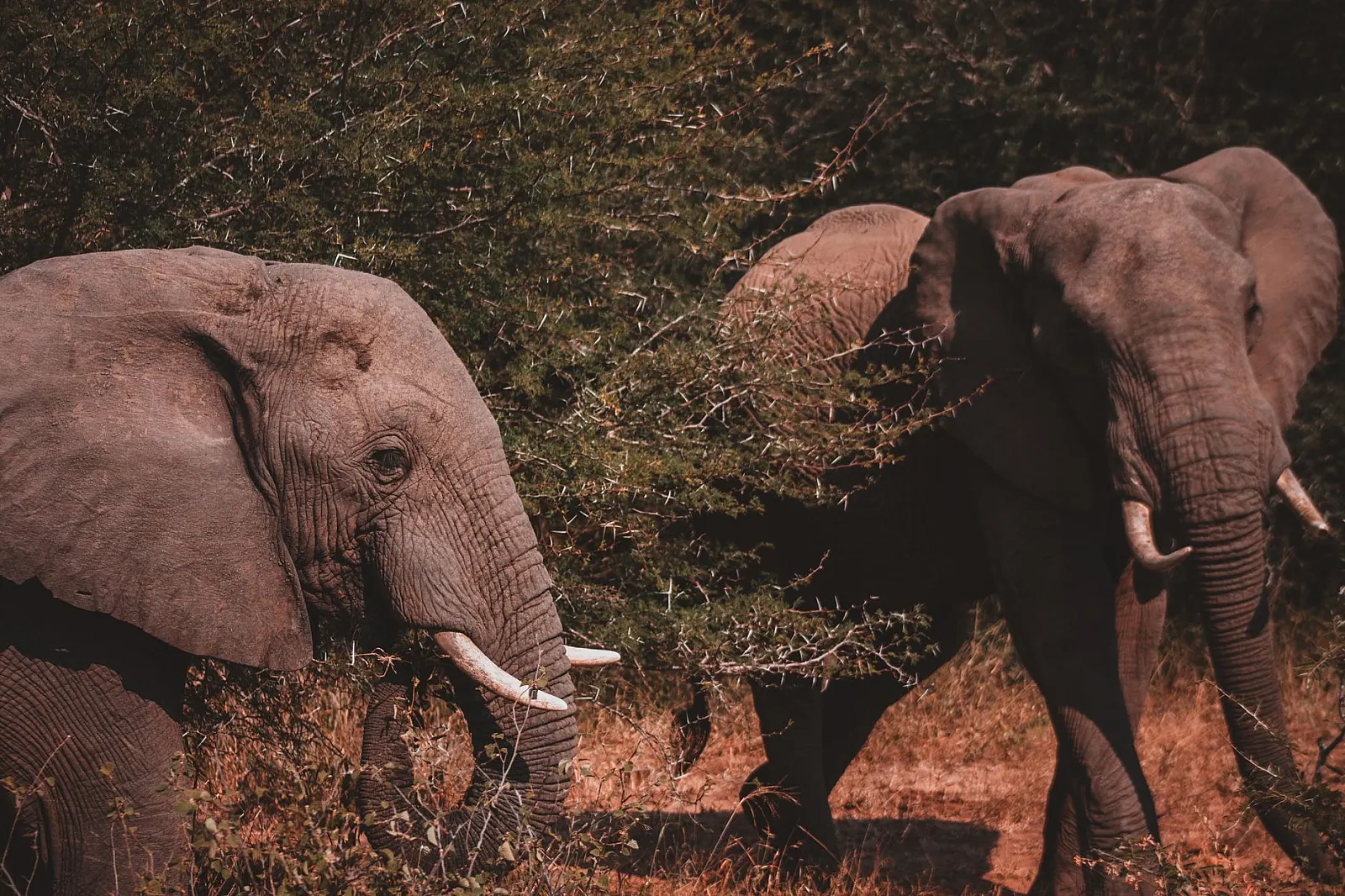
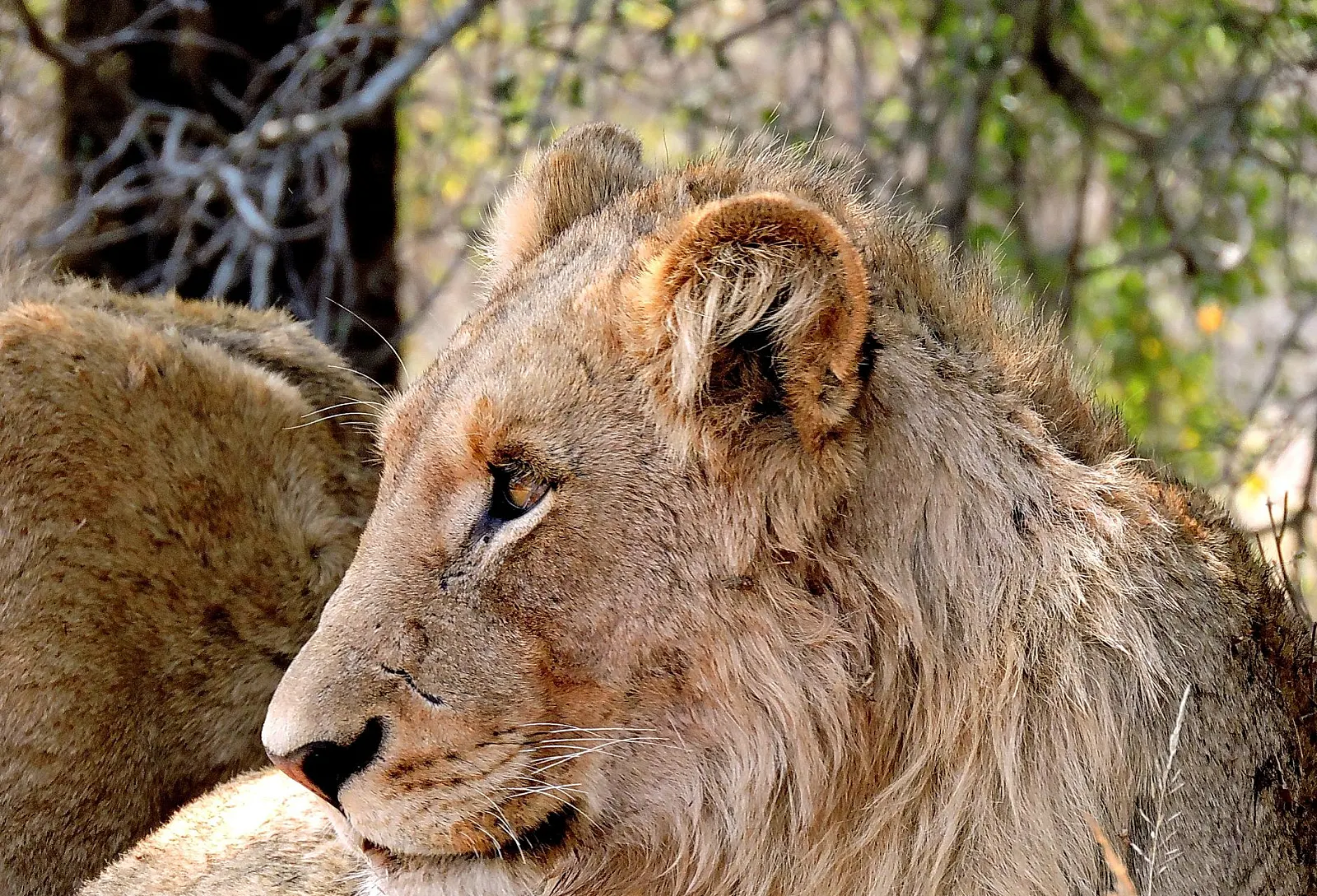
May to September, and best of all August and September. This is the dry winter in the Lowveld, where Kruger National Park and the private reserves bordering it sit. Grass has died back, deciduous bush has dropped its leaves, seasonal pans have dried, and game concentrates on rivers and permanent waterholes. Mornings are cold — single digits before dawn — but sightings are at their most reliable of the year.
Why does South Africa have two opposite seasons?
Because the country spans two rainfall regimes, and this is the point that makes South Africa harder to plan than any other safari destination:
- Summer-rainfall interior and Lowveld (Kruger, Madikwe, Waterberg, KwaZulu-Natal): rain falls roughly October to March, with January typically the wettest month. Winter, April to September, is dry and largely cloudless. SANParks describes Kruger as subtropical, with hot rainy summers from October to around March and pleasant dry winters with warm days and cold nights.
- Winter-rainfall Western Cape (Cape Town, the Cape Winelands, the western Garden Route): a Mediterranean climate with mild wet winters, June to August, and warm dry summers, December to February. Cape Town Tourism puts the winter rain squarely in June–August.
So the best Kruger months are the wettest Cape Town months, and vice versa. A combined safari-and-Cape trip always involves a compromise. April–May and September–October are the two shoulder windows where both work reasonably well, which is why experienced planners default to them.
What does each season mean for game viewing in Kruger?
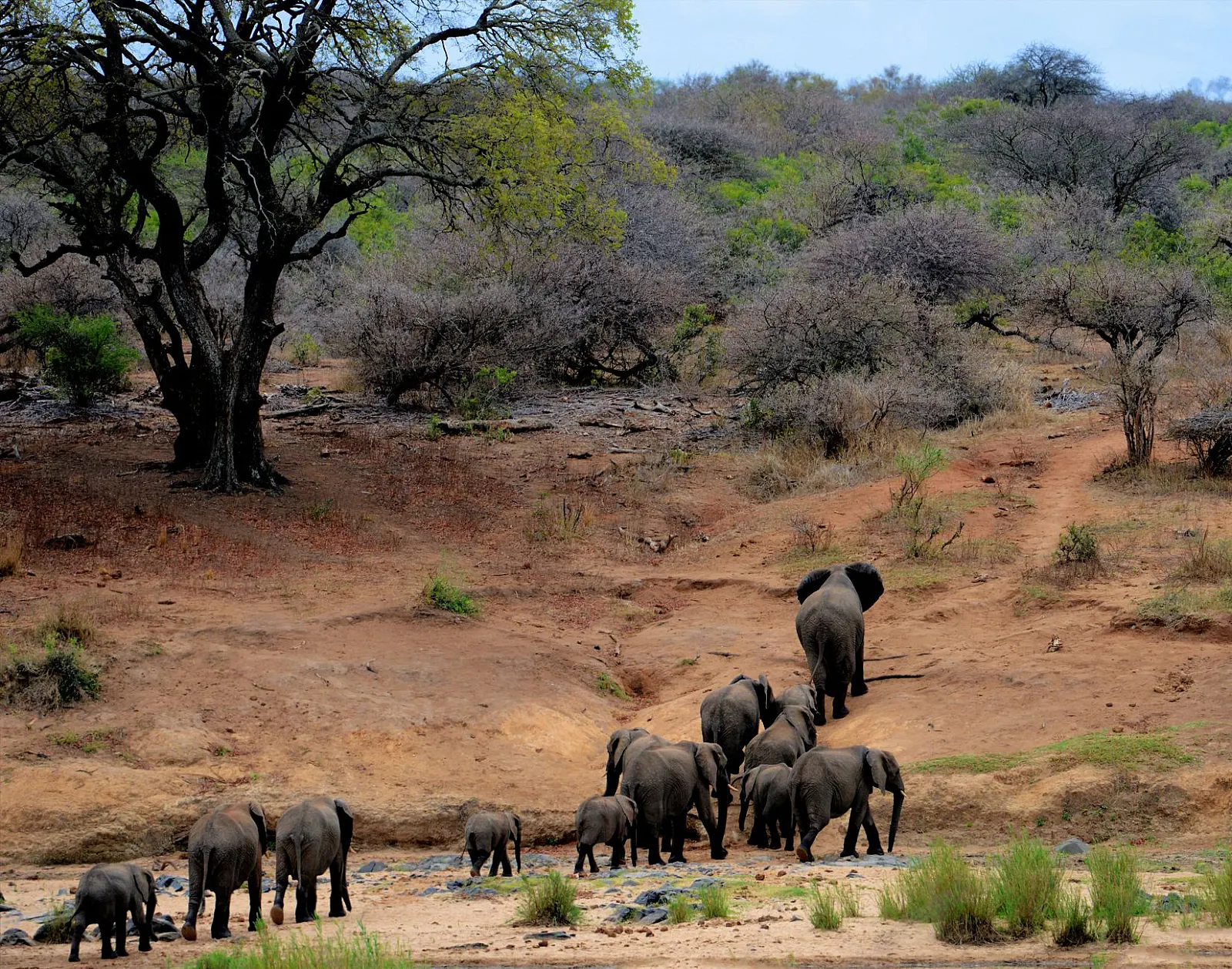
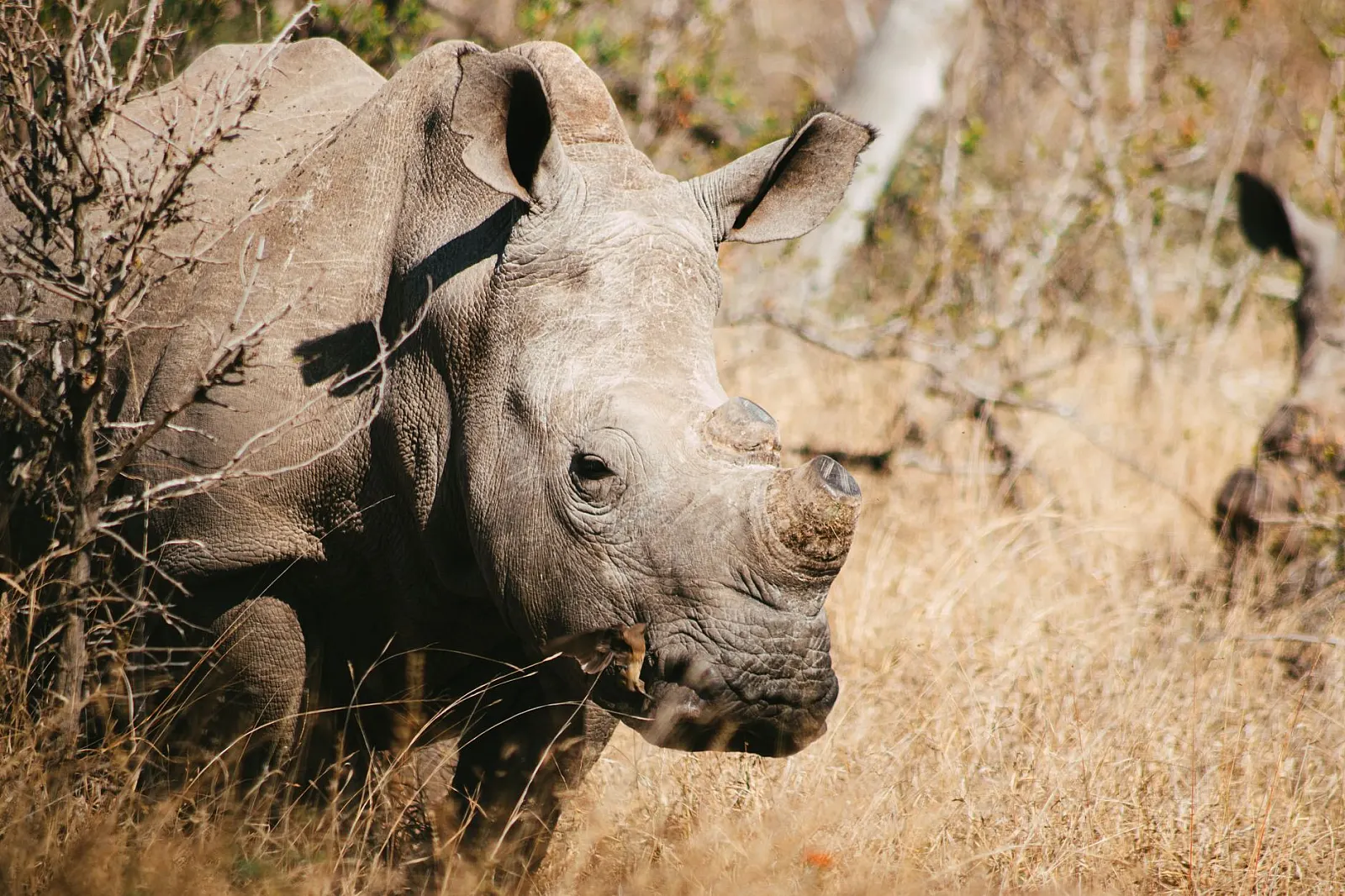
Winter dry season (May–Sep). Mopane and combretum bush thins dramatically, sightlines open, and animals commit to the Sabie, Olifants and Letaba rivers and to artificial waterholes. Predator sightings rise because cover is gone. Roads are all open. Nights are cold enough to need a jacket on open vehicles.
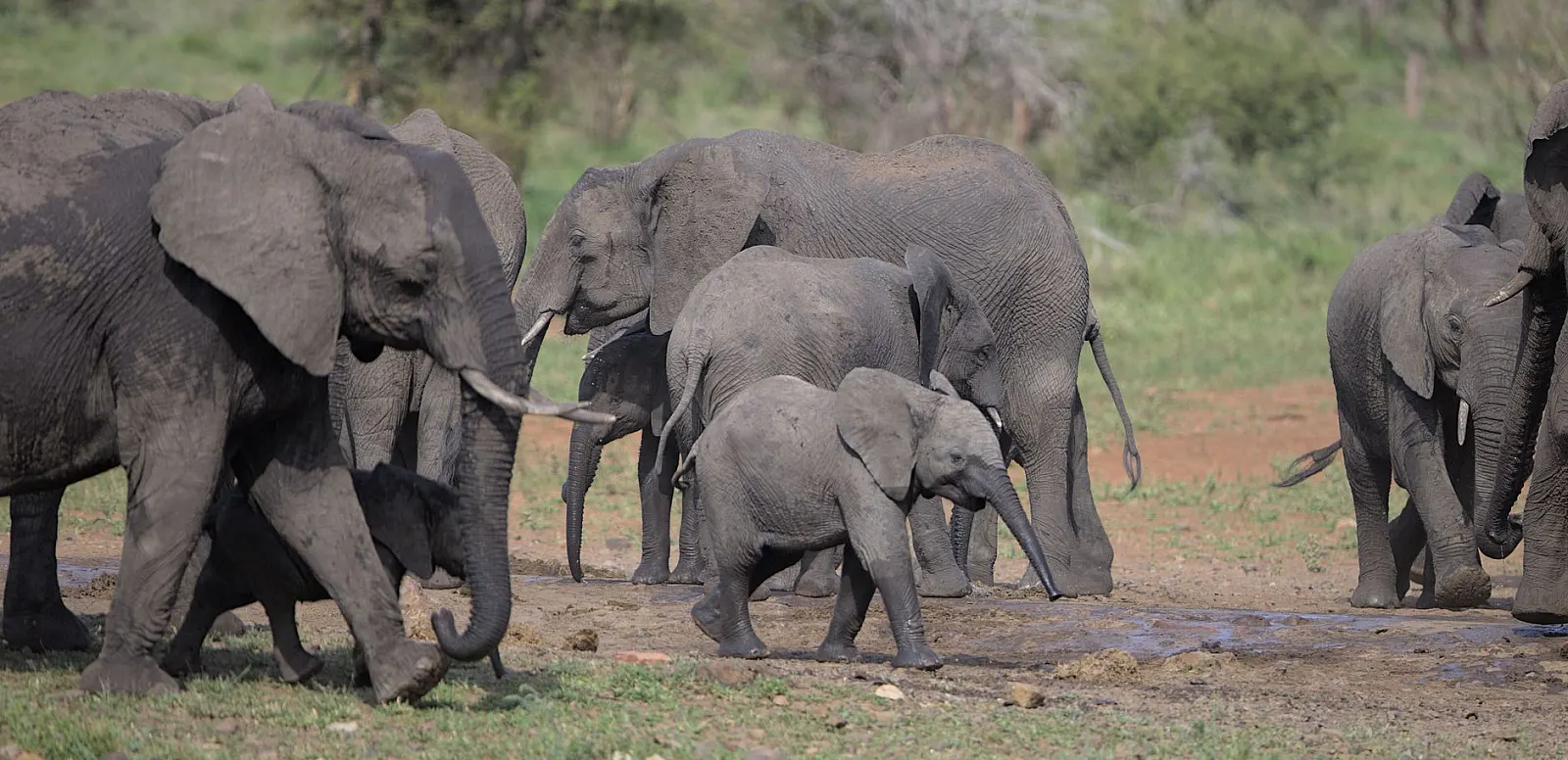
Summer wet season (Nov–Mar). Thick green bush cuts visibility to metres in places, water is everywhere so game disperses, and dirt roads in the north can close after heavy rain. In exchange: impala lambing in November and December, migrant birds, dramatic thunderstorm skies, low-season rates, and far fewer international visitors.
When is malaria risk highest in South Africa?
This genuinely affects timing and most pages skip it. The National Institute for Communicable Diseases puts South Africa's high malaria season from September to May, coinciding with the hot rainy summer when mosquito breeding conditions are optimal. Risk areas are the north-eastern Limpopo lowveld along the Mozambique and Zimbabwe borders, the Mpumalanga lowveld including Kruger, and far northern KwaZulu-Natal. Risk is present year-round but is markedly lower in winter.
The practical implication: a June–August Kruger trip falls outside the high transmission season, which is a real, rarely-stated advantage of winter beyond game viewing. If you want a summer trip with young children, South Africa is unusual in offering high-quality malaria-free alternatives — Madikwe, Pilanesberg, the Waterberg, the Eastern Cape reserves and Kgalagadi. Always take current medical advice; do not rely on a travel page for prophylaxis decisions.
South Africa month by month
| Month | Season (Lowveld) | Game viewing | Crowds & price | Notable |
|---|---|---|---|---|
| January | Summer rain, hot | Fair to poor; thick bush | Kruger quiets after ~10 Jan; Cape at peak | Wettest Kruger month; malaria season |
| February | Summer rain, humid | Fair to poor | Cape peak; Kruger low | Hottest, most humid in the Lowveld |
| March | Rain easing | Improving | Moderate | Kgalagadi good after summer rain |
| April | Autumn, drying | Good | Moderate; Easter busy | Best all-round compromise month |
| May | Dry, mild | Very good | Moderate | Grass falling; malaria risk dropping |
| June | Dry, cold nights | Very good | Rises late June (SA school holidays) | Cape Town at its wettest |
| July | Dry, cold | Excellent | High | Peak Cape rain; peak Kruger domestic season |
| August | Dry, warming | Excellent | High | Whale season builds; Namaqualand flowers |
| September | Dry, hot, first storms | Excellent — usually the peak | High (spring school holidays) | Malaria season begins; flowers peak |
| October | Rains begin | Very good early, declining late | Moderate | Strong all-round month; Cape warming |
| November | Summer rain | Declining | Low | Impala lambing; migrant birds arrive |
| December | Summer rain | Fair | Very high from ~15 Dec | SA school holidays; Kruger rest camps full |
How does the Cape differ, and when is whale season?
The Western Cape runs on the opposite calendar. November to March is the time for Cape Town, the Winelands and the Garden Route: warm, dry, long days. February brings the strongest south-easterly wind, the "Cape Doctor", which can shut down Table Mountain's cableway for days.
Winter has its own attractions, which is what makes a September trip so efficient. Southern right whales are present along the Cape coast through winter and spring, with the calving and viewing peak generally reported from August to October around Hermanus and Walker Bay. The Namaqualand and West Coast wildflower display, entirely dependent on winter rainfall, typically peaks in August and September but varies substantially with the season's rain and cannot be predicted far ahead.
When is the best time for birding in South Africa?
Birding inverts the safari calendar. November to March is the peak in the summer-rainfall regions: Palearctic and intra-African migrants are present, residents are in breeding plumage, and wetlands in KwaZulu-Natal and the Lowveld fill. Pelagic birding off Cape Town is best in the southern winter, roughly May to September, when albatrosses and petrels move north. A birder and a Big Five photographer genuinely should not travel in the same month.
When should you NOT go on safari in South Africa?
Mid-December to early January is the worst period, and the reason is not primarily weather. It is the South African summer school holiday. Kruger's rest camps and the Garden Route fill months in advance, roads are busy, prices peak, and you get all this while the bush is at its thickest, the heat and humidity at their highest and malaria risk near its seasonal peak. It is the one period where you pay the most for the least.
January and February are the weakest months for pure game viewing, though they are quiet in Kruger once the local holidays end and offer real value plus superb birding and dramatic photography.
For the Cape, avoid June and July if beaches and hiking are your reason for going — those are the wettest months. But note that winter Cape Town is far from a write-off: whales, wine, empty restaurants and low rates are a genuine trade, and the weather comes in fronts with clear days between, not as continuous rain.