 SafariRoamer
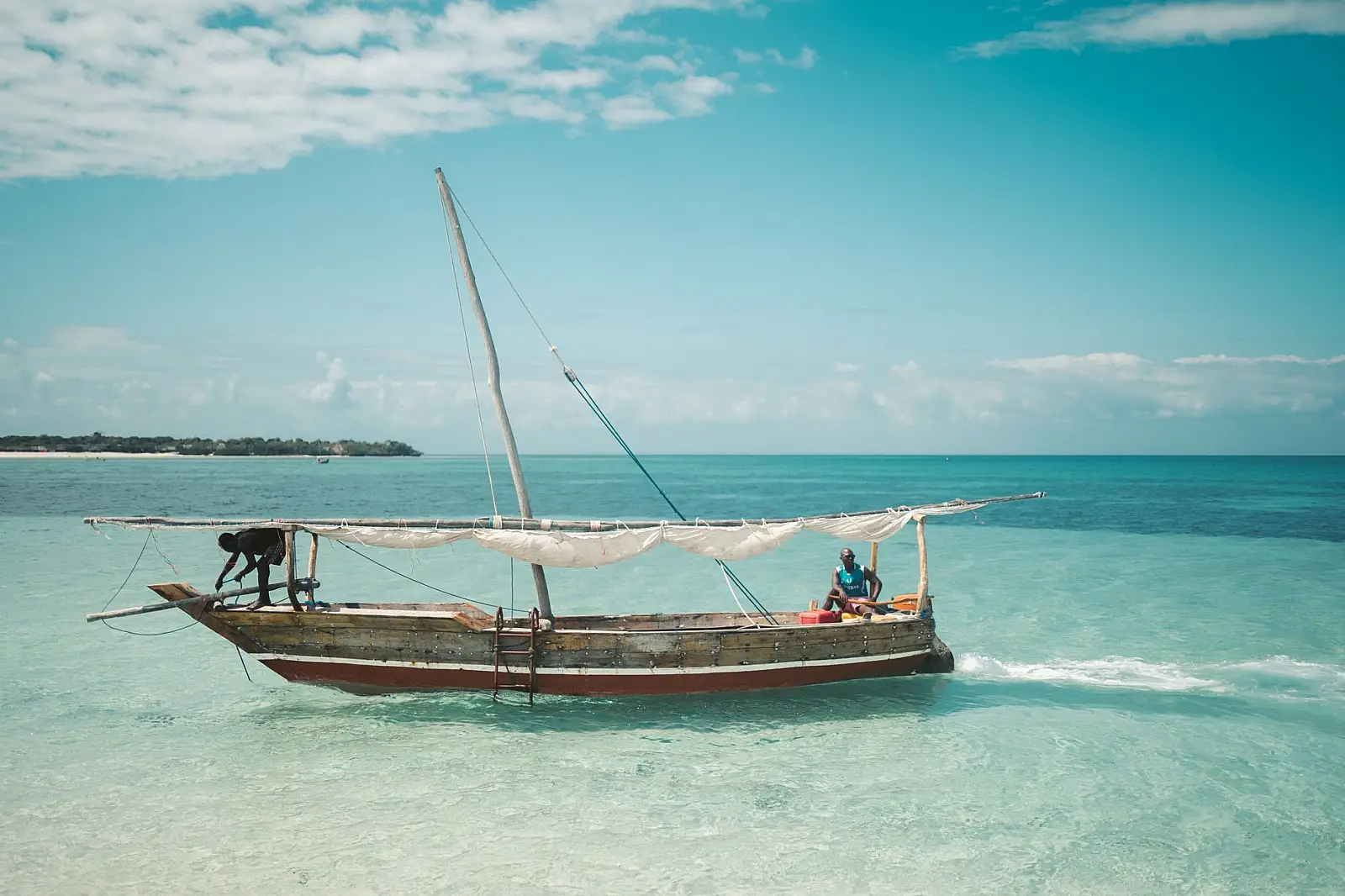
Zanzibar: When to Go, Getting There and What to Know
Last reviewed 14 September 2026. Season dates below are long-run averages and shift by weeks year to year; visa, health and safety information changes without notice — the linked official sources are authoritative, not this page.
When is the best time to visit Zanzibar?
Zanzibar's long dry season runs roughly June to October, with July to October the most reliably dry and cooler, daytime temperatures typically in the 25–30°C range. September is the month most consistently recommended: dry-season weather without July and August's crowds. January and February are also dry and popular, though hotter and more humid.
Zanzibar's two rainy seasons
Unlike a single wet/dry pattern, Zanzibar has two distinct rainy seasons, confirmed independently across half a dozen tourism and travel sources:
- The long rains ("masika") — mainly March to May, heaviest in April and May. This is the wettest, least popular period for a beach trip, and some smaller properties reduce services or close briefly.
- The short rains ("vuli") — mainly November and December, usually shorter, brief morning downpours rather than all-day rain, and generally not a reason to avoid the island.
| Period | Pattern | What to expect |
|---|---|---|
| June–October | Long dry season | Reliable sun, cooler evenings; September is the most-cited best month |
| January–February | Short dry spell | Hot and humid but dry; busy with holiday travellers |
| March–May | Masika, long rains | Heaviest rain of the year, peaking April–May; lowest rates, some closures |
| November–December | Vuli, short rains | Shorter, often morning-only showers; generally still a workable beach trip |
Where to stay: Zanzibar's areas compared
The island's coastline splits into distinct areas with genuinely different characters — the right base depends more on what you want from the trip than on any single "best" beach.
| Area | Coast | Known for |
|---|---|---|
| Stone Town | West (capital) | UNESCO World Heritage old town; history and food; most visitors pass through even if based elsewhere |
| Nungwi | North tip | Lively beach bars and resorts, watersports, swimming largely unaffected by tide |
| Kendwa | North-west | Similar profile to Nungwi — sunset beach, tide-independent swimming, resorts from budget to luxury |
| Paje | East | Kitesurfing hub with steady cross-shore wind; backpacker-friendly bars and restaurants |
| Jambiani | East, south of Paje | Slower pace, traditional seaweed-farming villages, quieter than Paje |
| Michamvi / Pingwe | South-east peninsula | Seclusion, dramatic sandbars and sunsets, boutique resorts, home to The Rock Restaurant |
| Matemwe | North-east | Quieter, upscale villas and lodges; base for diving/snorkelling trips to Mnemba Atoll |
Malaria: what official sources actually say
This is general information gathered from official sources, not medical advice — see our fuller malaria on safari guide for how this compares across mainland safari countries. A claim repeated on several tour-operator blogs is that Zanzibar carries its own separate "low-to-moderate" official risk rating, distinct from mainland Tanzania. We could not find that framing in the primary text of either agency actually responsible for the classification:
- CDC Travelers' Health — Tanzania, including Zanzibar places malaria risk in "all areas below 1,800m," which covers Zanzibar, an archipelago at or near sea level.
- NaTHNaC / TravelHealthPro (UK) states there is "a high risk of malaria in all areas of Tanzania below 1,800m, including Zanzibar."
In short: the official position folds Zanzibar into the same risk bracket as mainland Tanzania and recommends prophylaxis, rather than giving it a separately downgraded rating. Academic surveillance does show Zanzibar has made major control progress — one study found parasite prevalence around 1% (PMC, imported malaria infections in Zanzibar) — but that describes an epidemiological trend, not an official reclassification. Whether you need prophylaxis, and which option, is a decision for a travel health professional, not this page.
Visa: the same one that covers mainland Tanzania
There is no separate "Zanzibar visa" — a Tanzania visa or eVisa covers Zanzibar too. Apply through the official Tanzania eVisa portal; approved applicants receive a grant notice by email to present on arrival. Most Western nationalities can also get a visa on arrival at the airport. A smaller list of nationalities must apply in advance through a "referral visa" process. East African Community citizens travel visa-free. Passports must be valid at least six months beyond arrival. See our visa and entry requirements guide for the equivalent detail on other safari countries, and always confirm current fees and eligibility on the official portal before booking non-refundable travel.
Getting to Zanzibar
Most visitors fly into Abeid Amani Karume International Airport (ZNZ). From Dar es Salaam it's a short hop — roughly 20–30 minutes, with frequent daily flights on carriers including Precision Air, Coastal Aviation, Auric Air and ZanAir. International flights also connect directly to ZNZ from hubs such as Doha, Addis Ababa, Nairobi and Amsterdam. The alternative from Dar es Salaam is the high-speed ferry to Stone Town, roughly 2–3 hours depending on the operator (Azam Marine and Zanzibar Fast Ferries both run the route).
Safety and common scams
As of late October 2025 the US State Department raised its Tanzania advisory to Level 3 ("Reconsider Travel"), driven primarily by mainland unrest — post-election disturbances and curfews in Dar es Salaam — rather than incidents specific to Zanzibar itself, though the advisory technically covers the whole country. The UK's FCDO separately notes that incidents of assault and sexual aggression against foreigners have occurred in Tanzania, including at beach resorts, and flags a real practical risk that gets little attention: Zanzibari authorities can fine visitors (cited figures of $700 or more) for clothing judged inappropriate in public, particularly in Stone Town — women in particular are advised to avoid shorts or sleeveless tops away from resort areas.
The more common problems reported are low-level scams rather than serious crime: unlicensed tour guides, inflated taxi fares, and "beach boys" pushing spice tours or souvenirs at inflated prices. Booking transfers and excursions through your hotel or an established operator with a track record avoids most of this. See our safari safety guide for the equivalent picture on the mainland.