 SafariRoamer
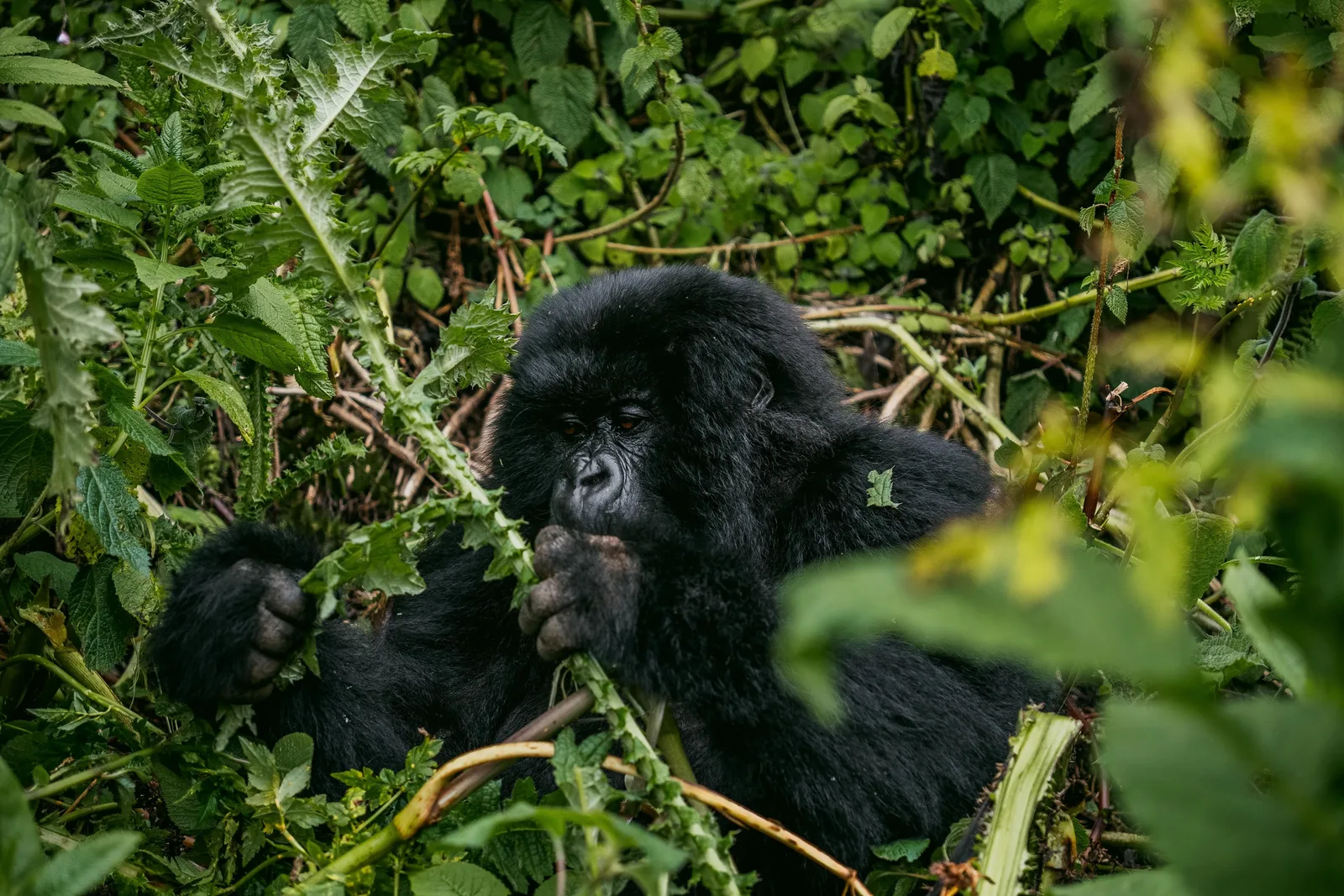
Rwanda Gorilla Trekking Permit Price 2026
Search "Rwanda gorilla permit price" and you'll see $1,500 on the official government portal, $1,050 on half the tour-operator blogs, and "packages from $2,800" on others that bundle in lodging and transport as if it were part of the permit fee itself. All three numbers can be correct at the same time — they're just answering different questions. This page sorts out which one applies to you, sourced directly from the Rwanda Development Board's own booking portal.
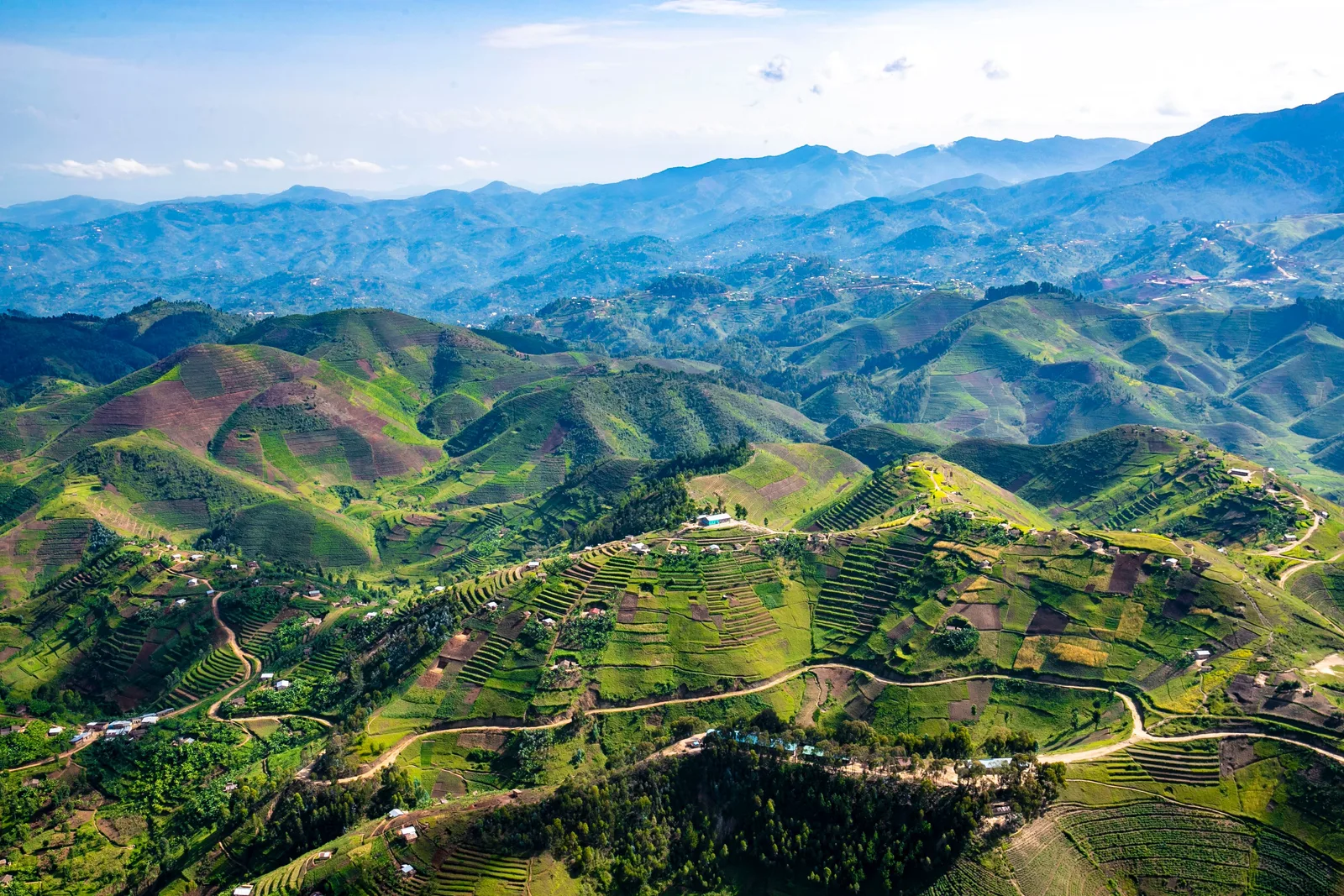
Rwanda gorilla trekking permit prices 2026
The Rwanda Development Board (RDB) sets one flat rate per category, unlike Tanzania's park fees, which carry a separate 18% VAT on top. Rwanda's price is the price — no VAT line is added at booking.
| Visitor category | Price per permit |
|---|---|
| Foreign non-resident | US$1,500 |
| Foreign resident in Rwanda / African resident | US$500 |
| Rwandan citizen / East African Community citizen | US$200 |
One permit buys one hour with a habituated gorilla family, a park ranger guide, and an armed escort, in a group capped at 8 visitors. It does not include transport to Volcanoes National Park, accommodation, meals, guide tips, or porter fees — porters are available on-site "for a small charge," per RDB's own wording, and are worth budgeting for separately on the trek itself.
The 30% low-season discount — and why the fine print matters more than the headline number
RDB advertises a 30% discount, bringing the foreign non-resident rate to roughly US$1,050. Most blog posts stop there. The actual conditions, per RDB's current booking portal:
- Valid November to May only — explicitly not valid June through October.
- You must also stay a minimum of two nights at Akagera National Park and/or Nyungwe National Park, with hotel confirmation and one paid activity there — or one night at each, back to back.
- Each discounted permit is tied to one such 3-day/2-night park stay; a second discounted permit requires a second qualifying stay.
Worth flagging: RDB's own 2017 tariff announcement — still live on their site — describes the same discount as requiring a "minimum of 3 days" at Nyungwe or Akagera, with no season restriction mentioned. The current booking-portal terms (two nights, Nov–May only) are more recent and more detailed, and are what we've used above, but the discrepancy is a real one between two RDB-published pages, not something we're inferring. If the discount is central to your budget, confirm the live terms with RDB or a licensed operator before booking.
Golden monkeys and chimpanzees: cheaper primates, same national park system
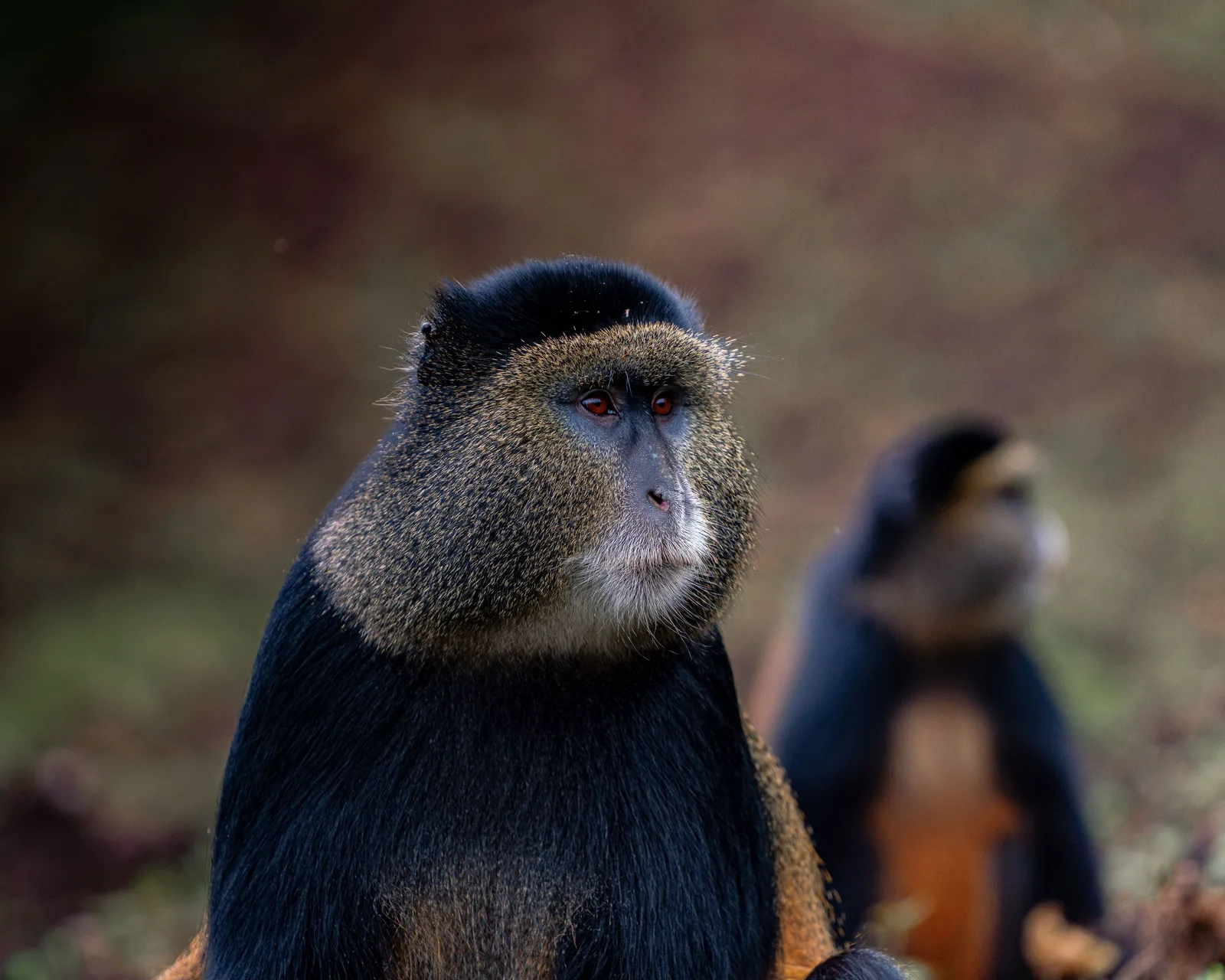
Volcanoes National Park also runs golden monkey trekking — a one-hour visit with a troop of golden monkeys, priced at US$100 for foreign visitors, a fraction of the gorilla permit and bookable the same way through RDB. It's a genuinely different product, not a discounted version of gorilla trekking, and a reasonable way to spend a Rwanda day that doesn't include a $1,500 permit. Chimpanzee trekking, in Nyungwe National Park in the south, is a separate permit again, on its own pricing and booking track.
How Rwanda compares to Uganda and Congo
Rwanda is not the only country where mountain gorillas live — the same population ranges across the Virunga massif spanning Rwanda, Uganda and the Democratic Republic of Congo, plus a separate population in Uganda's Bwindi Impenetrable Forest. Prices differ sharply by country:
| Country | Standard permit | Notes |
|---|---|---|
| Rwanda | US$1,500 | Volcanoes National Park; RDB-confirmed, see above. |
| Uganda | ~US$800 (low season ~US$600, Apr/May/Nov) | Bwindi Impenetrable or Mgahinga; see our Uganda gorilla permit page for the full breakdown, including a real mid-2026 tariff change some sources conflate with a source conflict. |
| DR Congo (Virunga) | ~US$400 when open | Not bookable as of 2026 — Virunga National Park has been closed to gorilla tourism since 2020, and the security situation around Goma and the Mikeno sector has kept it closed through the M23 conflict. UK, US, EU and Australian government advisories all recommend against travel to eastern DRC. Treat the $400 figure as historical, not a live booking option. |
The gap explains a lot of the "why is gorilla trekking so expensive" confusion online: Rwanda deliberately prices itself as the premium, lower-volume option, while Uganda positions itself as the mid-market alternative to the same experience.
Booking rules that catch people out
- Minimum age is 15, strictly enforced. Rangers check passports or birth certificates before the trek. There is no exception for a mature or fit 14-year-old — the rule is about disease transmission risk to the gorillas as much as visitor safety.
- Book months ahead. Rwanda issues a limited number of permits per day across a fixed number of habituated gorilla families; high-season dates (June–October, and the December–January holiday window) routinely sell out 3–6 months in advance.
- Full payment is due at booking, not a deposit — this applies to Rwandan nationals explicitly per RDB's own terms, and in practice to most foreign bookings made through licensed operators too.
How to budget a Rwanda gorilla trekking trip
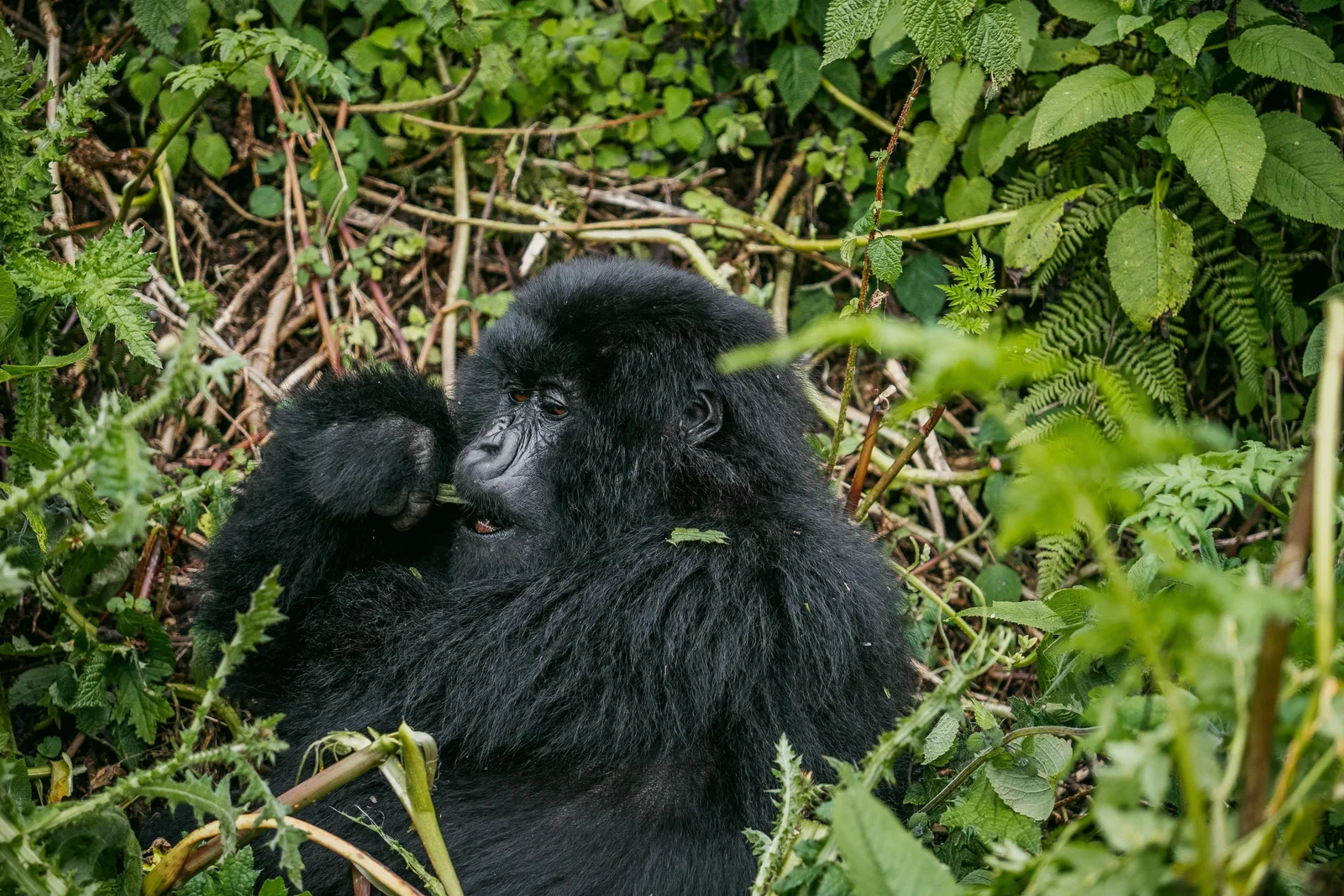
A realistic floor for one person, one gorilla trek, in high season: the $1,500 permit, plus a park-adjacent lodge (Volcanoes National Park lodges range from modest to very high-end — this is where most of the rest of the trip's cost sits), a private vehicle and driver-guide for the days you're trekking (self-drive isn't really workable for this), and porter tips on trek day. Multi-day itineraries that add Nyungwe chimp trekking or Akagera game drives — and that can unlock the low-season permit discount above — add their own park fees and lodging on top.
Related guides
- Uganda Gorilla Trekking Permit Price 2026 — Uganda's permit costs roughly half Rwanda's.
- Rwanda vs Uganda Gorilla Trekking: Which Should You Choose?
- Best Time to Go on Safari in Uganda
- Tanzania National Park Fees 2026 — if Rwanda is one stop on a wider East Africa itinerary.
- Visas and Entry Requirements for Safari Countries
- Safari Vaccinations: What the Official Sources Require